A renewal is a confirmation, not a new bid. If we lit your entrances last season the design is on file, so the board is approving scope and a date rather than commissioning a drawing. Colors can change every year at no charge as long as the design itself stays the same, and the whole process collapses into a short exchange and a reserved installation date.
What does not change is the calendar. That is the part boards underestimate.
What carries over from last season?
The design, the measurements and the fit.
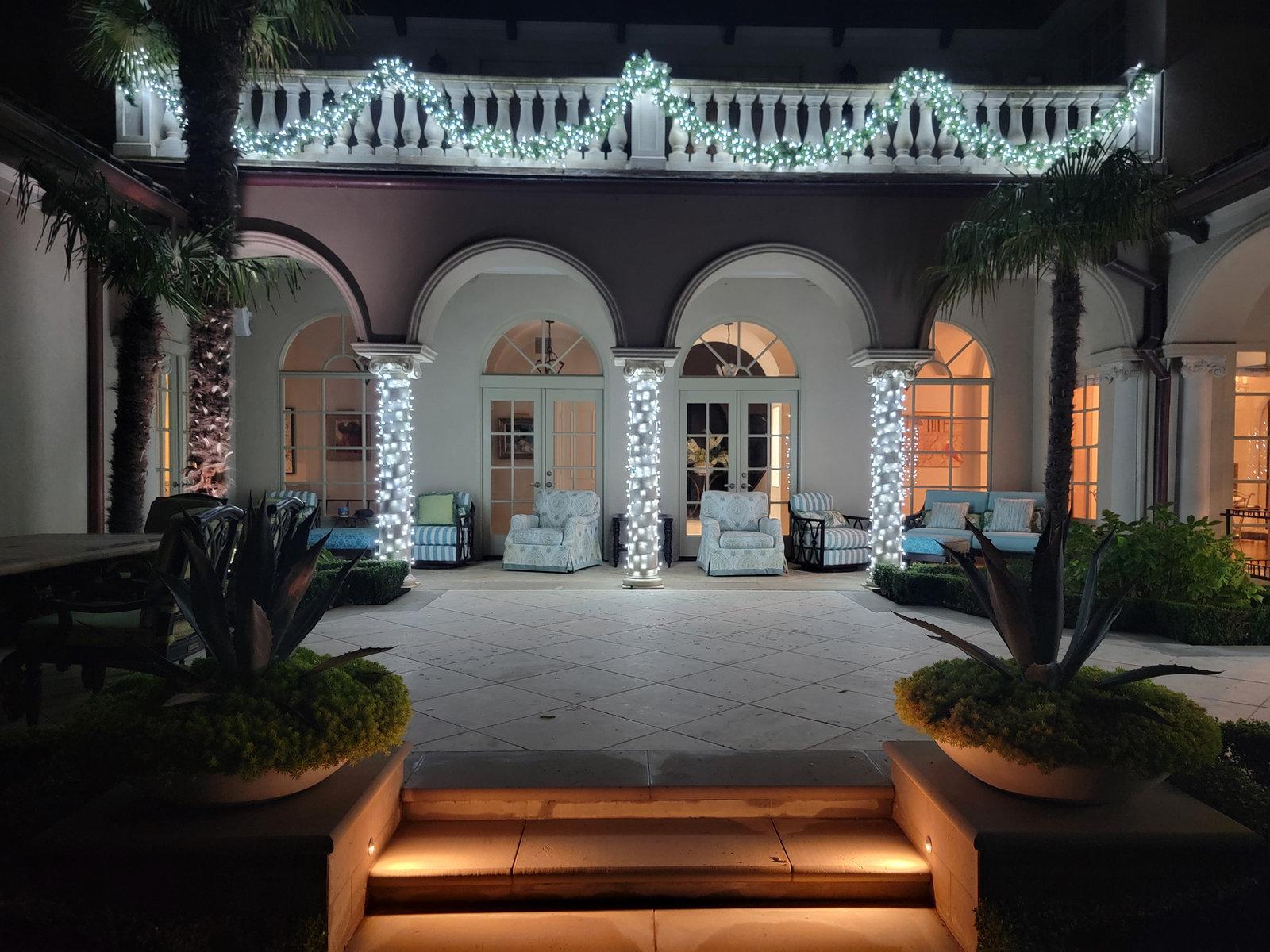
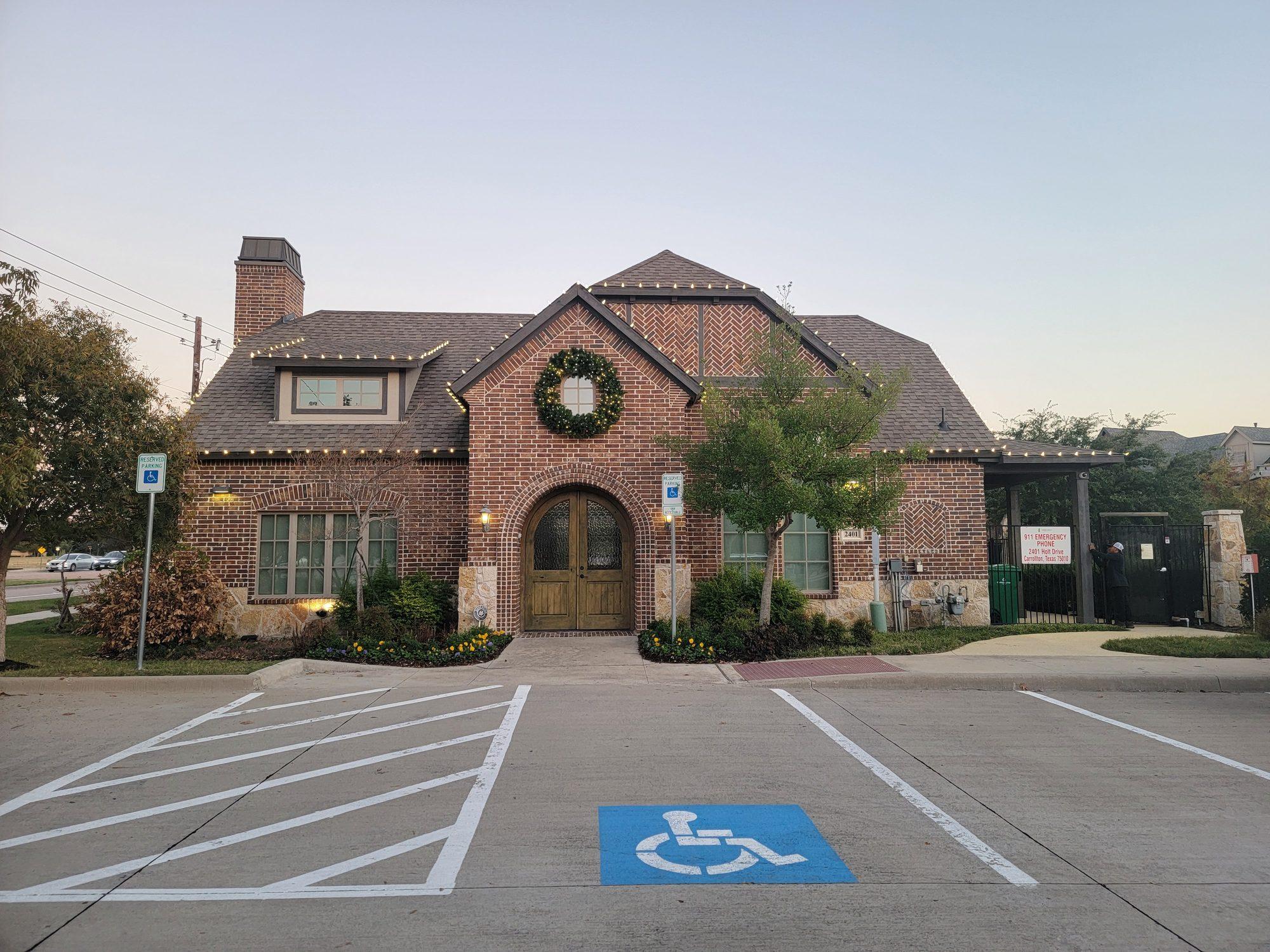
Your community's file holds the drawing for each entrance: which monuments are lit and how, whether the guard house is outlined, where the garland and the pre-lit commercial wreaths sit, which trunks are wrapped and how far the light carries down the drive. It also holds the lengths, which is what lets the lights be custom-fit rather than approximated.
None of that has to be done again. The board is not reading a new proposal from scratch at a meeting where it already has a full agenda, and the community is not waiting on a new drawing before it can choose a date.
What does the board still have to do?
Approve the scope and authorize the date. That is genuinely it.
The board confirms that the community wants the same treatment at the same entrances, names anything that should change, and approves. A certificate of insurance is available on request each season, and most management companies want a current one on file, so ask for it as routine. Insured with $2 million in general liability coverage.
If the board wants the whole season in one document again — design, installation, in-season maintenance with issues addressed within 48 business hours, removal beginning January 2 — it gets one. The document is simply shorter than the first year's, because it is confirming rather than proposing.
What usually changes between seasons?
Trees, phases and color.
Trees grow, and a community's entrance planting changes more than its masonry does. A cedar that took a string of minis three seasons ago may now want real scope, and a row of trunks along the approach may be worth extending as the trees fill in. Equally, something may have been removed.
New phases are the other common change. A community that adds an entrance, a monument or a stretch of wall needs that addition drawn, and that is a design change rather than a renewal of the existing one. It is still far faster than a first season, because everything else is already on file.
And color. A community can change its color scheme every year at no charge, as long as the design itself — what is lit and where — stays the same. Warm white on the monuments with multicolor in the entrance trees one year, and a different combination the next, is a decision the board can make without reopening the design. Several more colors and custom combinations are available on request, and matching an existing monument color is available on request too.
Why does a renewing community still need to book early?
Because the design stage is not the bottleneck. The calendar is.
Requests across Dallas-Fort Worth peak in the first half of November, and installations are scheduled from late October through early December. Those dates fill from the earliest bookings forward regardless of whether the design is new or on file. A renewing community that confirms in August has a choice of dates; one that confirms in November is choosing from what is left, with the design advantage making no difference at all.
Community installs are also larger than a single home, so they need more room in the schedule rather than less. Two entrances, a guard house, several wrapped trunks and the wreaths and garland on each monument is real scheduled time.
The practical rule is the same as it is for a new community: hold the approving vote at the meeting before the first half of November, and have the confirmation in the board packet for that meeting.
What does the season look like once it is confirmed?
The same as last year, which is the point.
Installation on the reserved date. In-season maintenance through the season, with anything that fails addressed within 48 business hours. Removal beginning January 2. One point of contact runs the account, and the whole team has the community's file, so a director who calls in December reaches somebody who can act rather than somebody who has to find out what was installed.
For a board, the value of a renewal is mostly that December stops being a decision. The entrances get lit, they stay lit, and somebody else is responsible for both.
Request your renewal and tell us whether anything should change, or rebook here if the community wants exactly what it had. The HOA and communities page sets out what a board proposal covers.
Common questions
Renewing Your Community's Holiday Lighting: common questions
Does an HOA have to re-bid holiday lighting every year?
Not with us. The design is on file, so a renewing community confirms the scope rather than starting a new design process. The board still approves and still reserves a date, but there is no new drawing to commission and no second round of photographs unless the entrances themselves have changed.
Can a community change its colors without changing the proposal?
Yes. A community can change its color scheme every year at no charge, as long as the design itself — what is lit and where — stays the same. Warm white on the monuments one season and a different scheme the next is a color decision, not a design decision.
When should a renewing community book?
As early as a new one. Having the design on file shortens the design stage, not the calendar. Requests peak in the first half of November and installations run from late October through early December, so a renewing community that waits is competing for the same remaining dates as everybody else.
Related